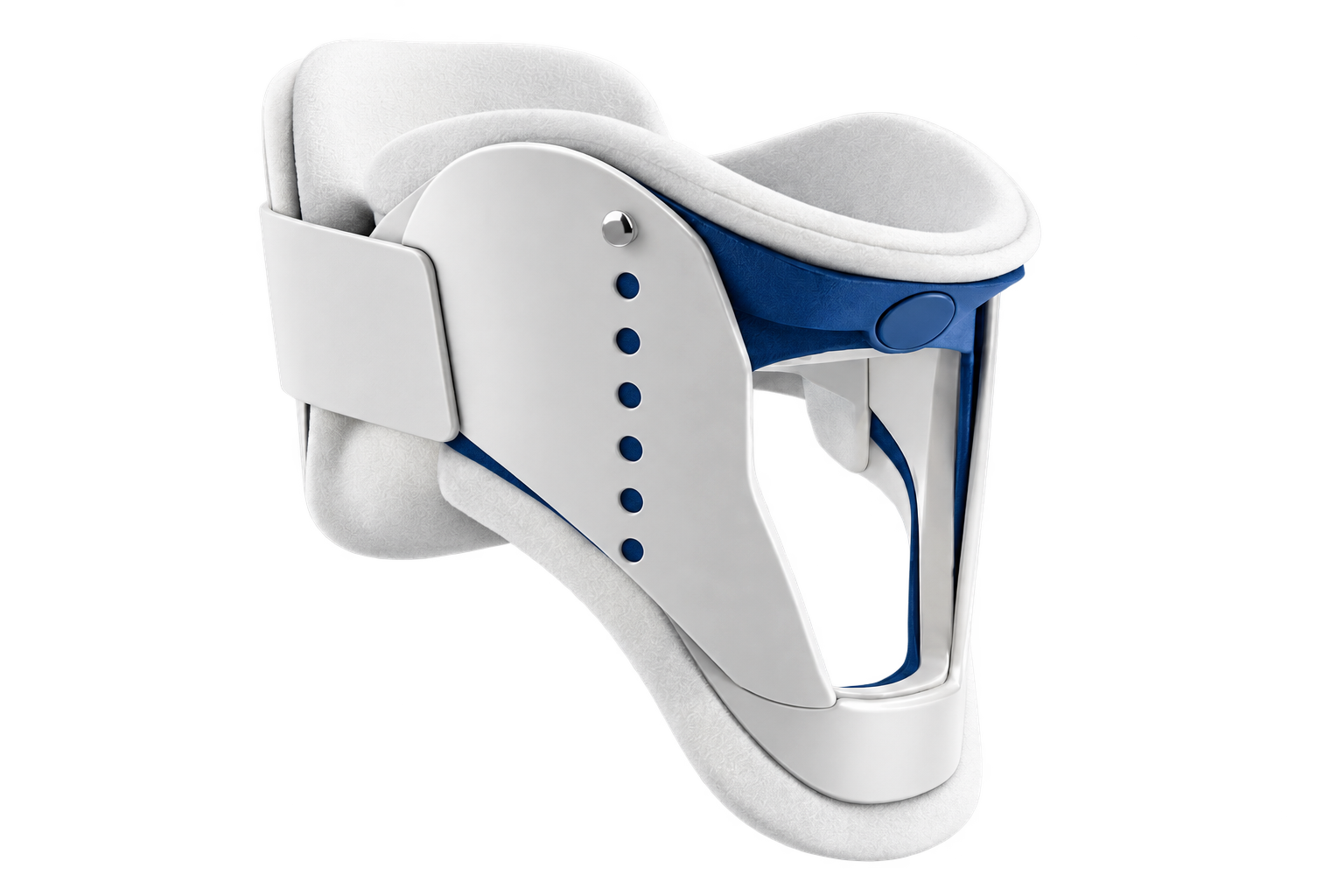
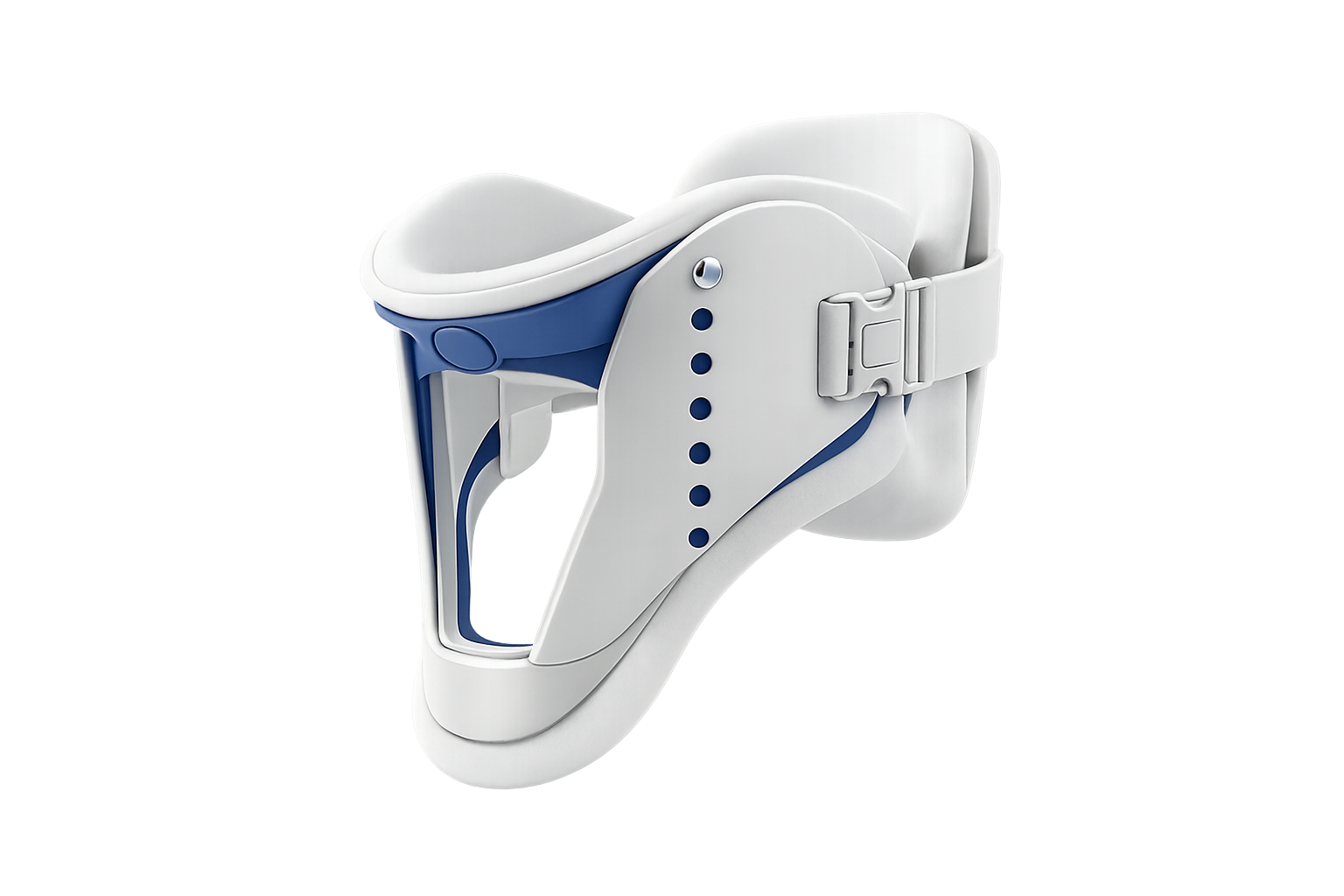
Embrace is a cervical neck brace that addresses four major design shortcomings while integrating thermal therapy designed to improve comfort and help reduce anxiety during emergency care.
Medical Design ✦ 2025/2026
September 2025 – April 2026 ✦ 8 Month Project ✦ Individual
Embrace
Project #1

ROLE: Industrial Designer - 4th Year Capstone
CONTRIBUTIONS:
Secondary Research · Primary Research · Ideation · Sketching · Concept Development · Prototyping · User Testing · 3D Printing · SolidWorks CAD · KeyShot Rendering ·
Project Overview
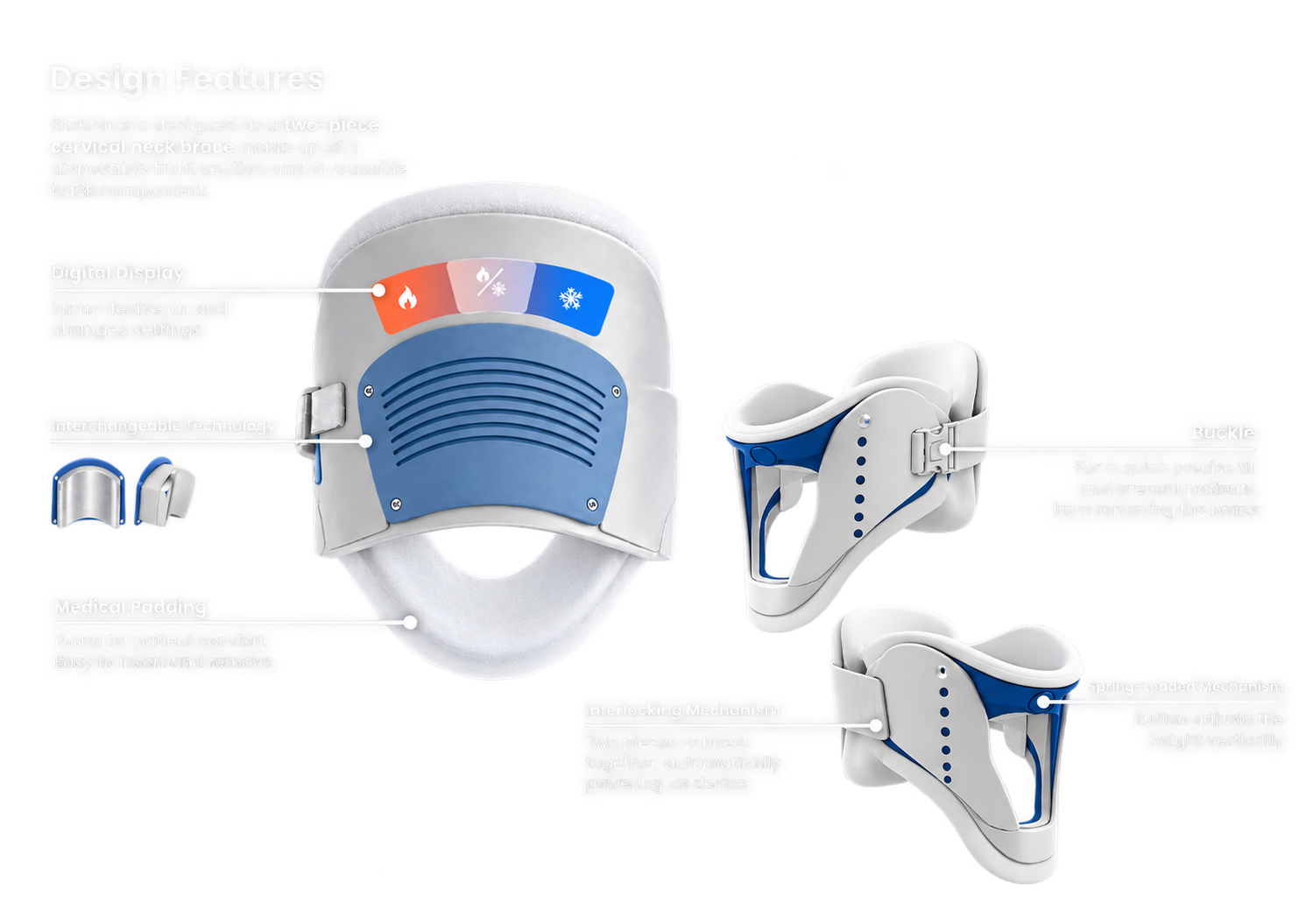
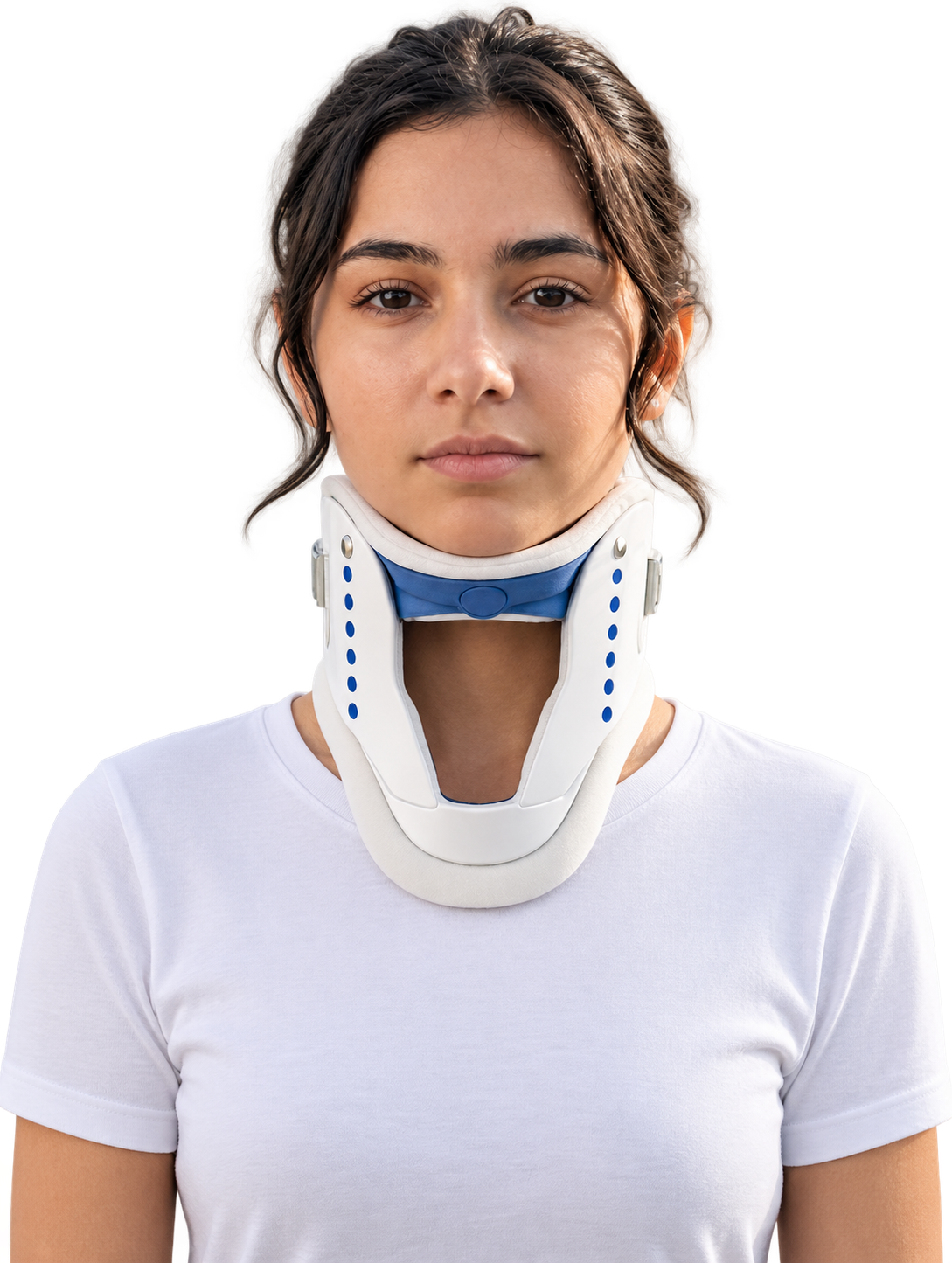
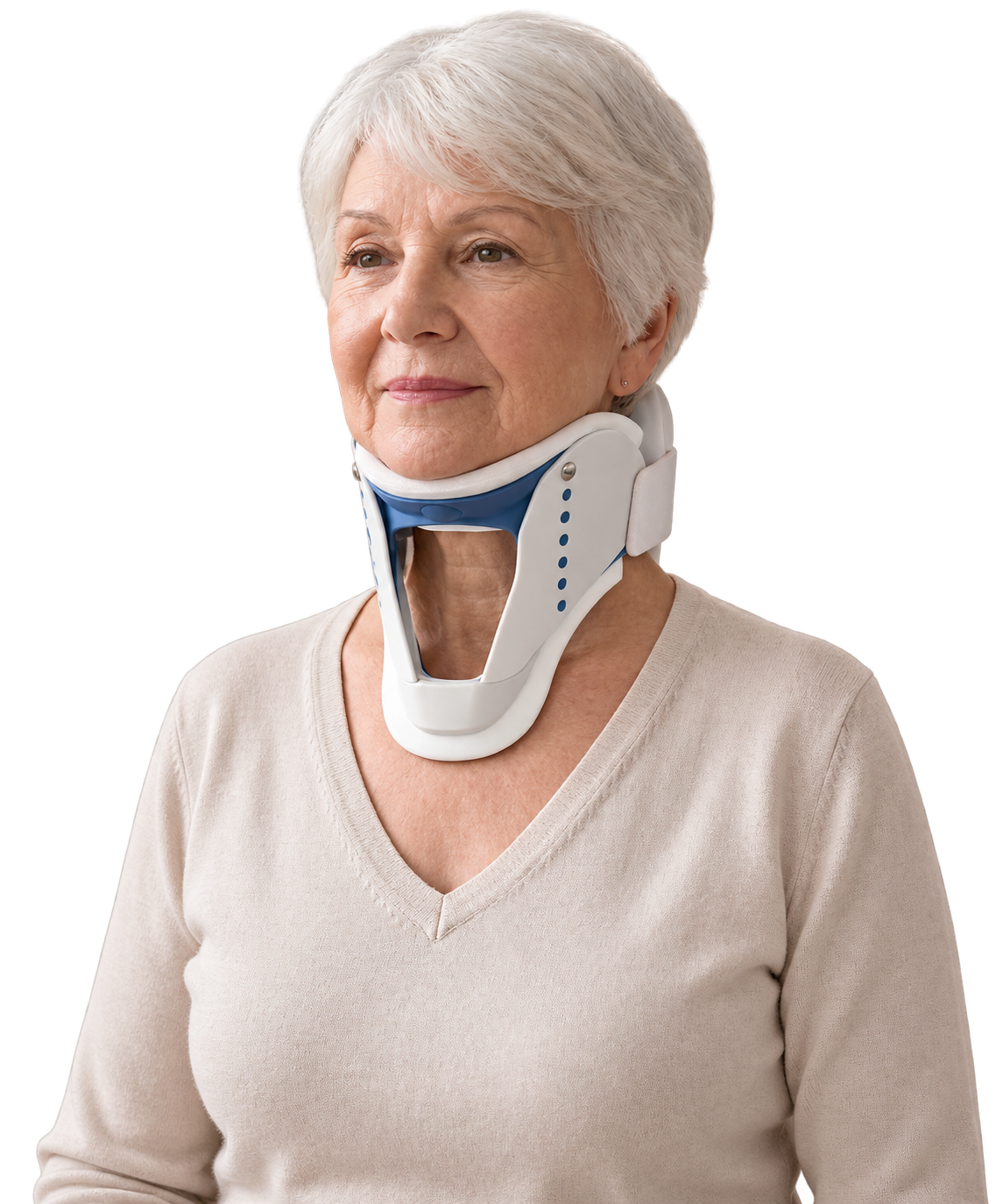
EmBrace reimagines the cervical neck collar around both physical stabilization and patient comfort.
Developed as my eight-month Industrial Design capstone at Carleton University, EmBrace is a redesign of the cervical neck brace for emergency care.
The project addresses limitations identified in existing cervical neck collars, including poor fit, discomfort, single-use waste, and patient removal.
EmBrace also explores the integration of controlled thermal therapy, using cooling and warming sensations to support patient comfort during stressful emergency situations.
Current Design Challenges
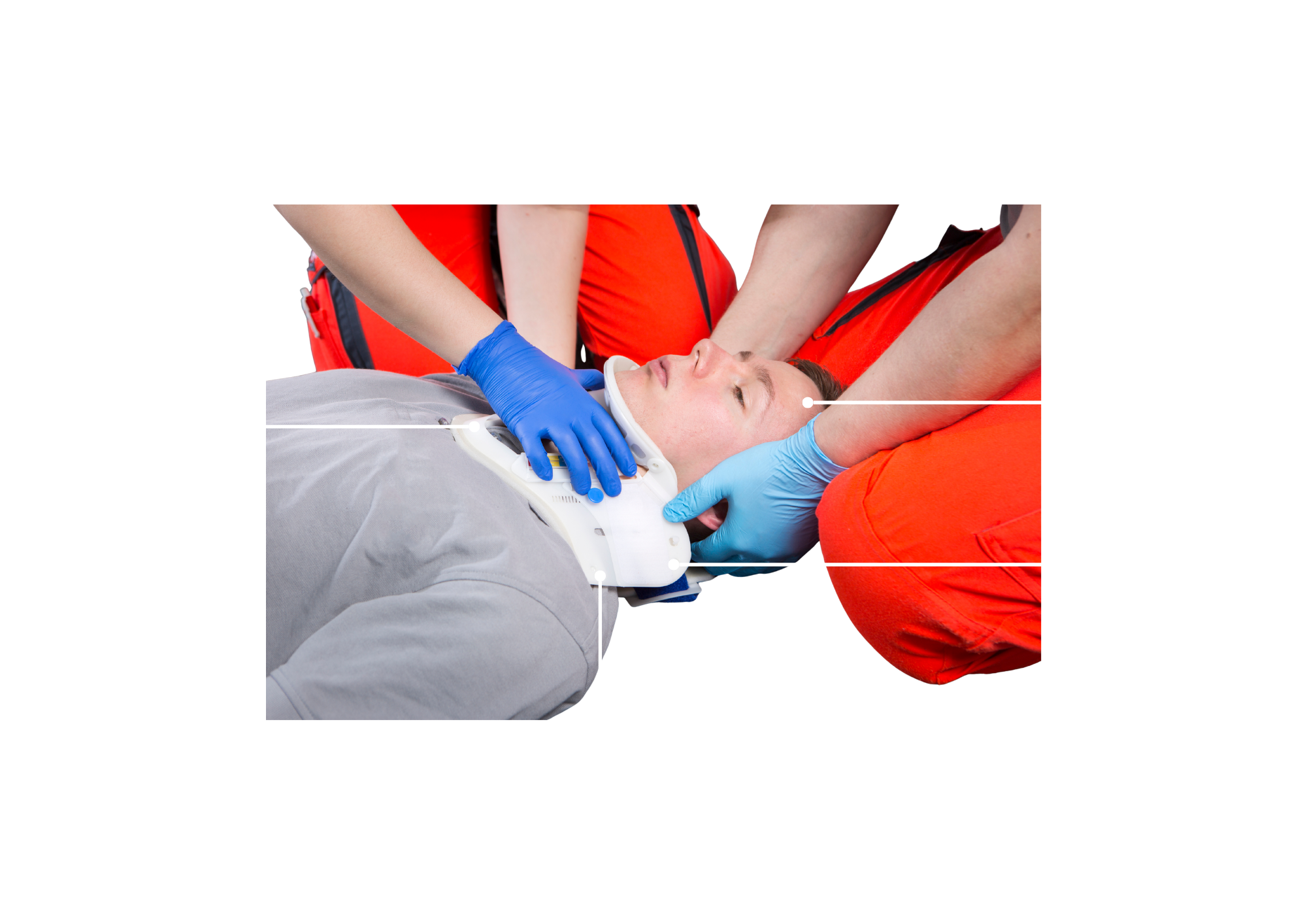
LIMITED ADJUSTABILITY
Limited height adjustment results in a poor fit for different patients, particularly women.
EASY TO REMOVE
Velcro lets distressed or confused patients easily remove the collar.
PATIENT DISCOMFORT
Extremely uncomfortable to wear, adding physical discomfort that may heighten patient anxiety.
SINGLE-USE DESIGN
ALL cervical collars are discarded after use, contributing to the 87,000 tons of medical waste annually.
Duong, 2023

Research
Designing for the realities of emergency care.
The first four months of the project focused on understanding cervical immobilization, patient behavior, emergency medical procedures, neck anatomy, existing collar designs, and the realities of providing care in high-stress environments.
Learning from Paramedics
To better understand how cervical collars perform in real emergency situations, I visited Ottawa Paramedic Headquarters. I examined and tested existing collars, toured the facility, and spoke directly with paramedics about application, fit, patient behaviour, and challenges they experience in the field.
Paramedics apply cervical collars to patients with suspected neck, spine, or back trauma, including falls, sports injuries, whiplash, and complaints of neck pain. These collars are especially common for adults over 65 after a fall from standing height. Current collars are intended to immobilize the neck and maintain a neutral head and neck position to prevent further injury during emergency care. However, existing designs are often described as old-fashioned, frustrating, and poorly suited to real emergency situations.
Not enough height adjustment settings, which result in a poor fit for many patients and leave some adults relying on pediatric collars not designed for adult bodies.
The collars are often uncomfortable, adding physical discomfort during already stressful situations.
They are single-use products that are discarded after every use, contributing unnecessary waste.
The current design can increase patient anxiety and distress in an already stressful situation.
Because cervical collars are secured only with Velcro, patients who are confused, overwhelmed, distressed, or living with dementia may easily remove the brace, placing themselves at greater risk of further injury.
Research Insights

This raises the question…
How might a cervical collar provide effective stabilization while better supporting the physical and emotional needs of the patient?
Comfort
✦
Stability
✦
Adjustability
✦
Sustainability
✦
Patient Experience
✦
Comfort ✦ Stability ✦ Adjustability ✦ Sustainability ✦ Patient Experience ✦
THERMAL THERAPY

Thermal therapy uses controlled heat and cold to regulate the nervous system and support emotional comfort. Warmth activates the parasympathetic nervous system, which helps lower stress, relax muscles, and create a sense of safety and calm (altadmin, 2025). Cold therapy provides a strong sensory input that can reduce inflammation, increase alertness, and redirect attention away from panic or distress (dom-wp-admin, 2024). Together, these effects suggest thermal therapy can support both physical relief and emotional regulation in high-stress medical situations.
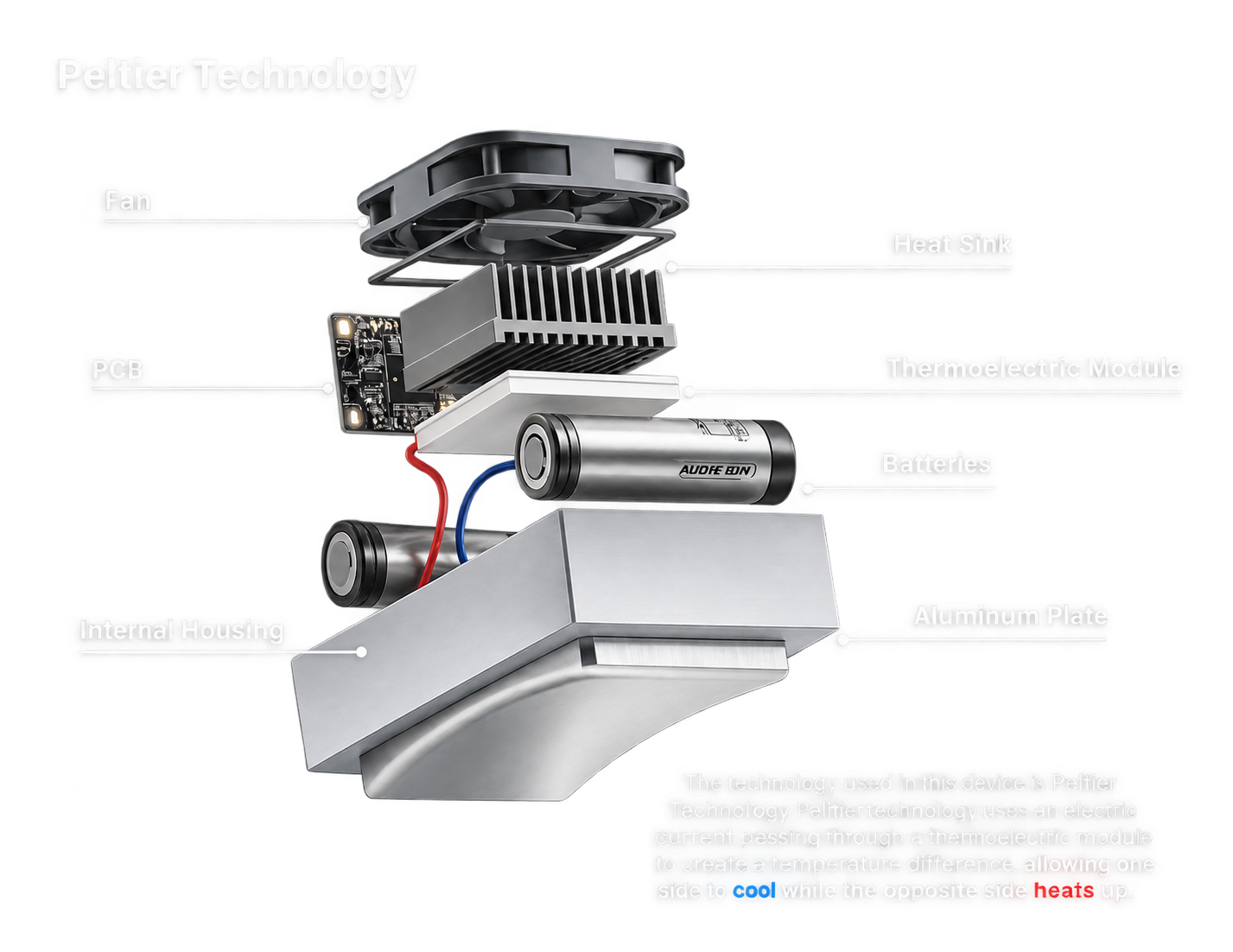
(Function of the Peltier-Technology - Dr. Neumann Peltier-Technik GmbH, 2025)

Concept Exploration
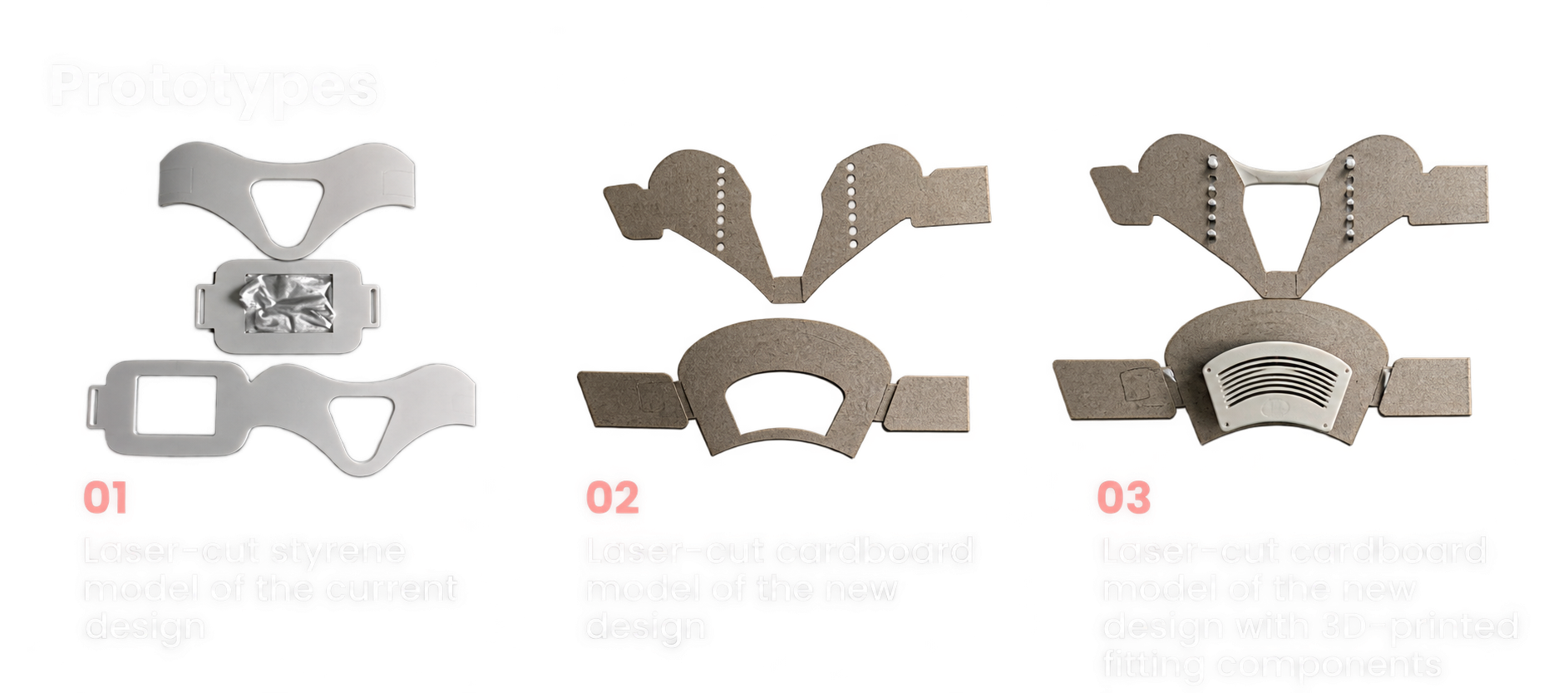
Concept exploration began with analyzing the current cervical collar to understand its structure, function, and limitations in emergency care. By identifying problems with fit, comfort, usability, and patient experience, I was able to investigate opportunities for improvement and develop a range of iterative design concepts.
Meet Embrace
Product Use Cycle
Circular Design Process
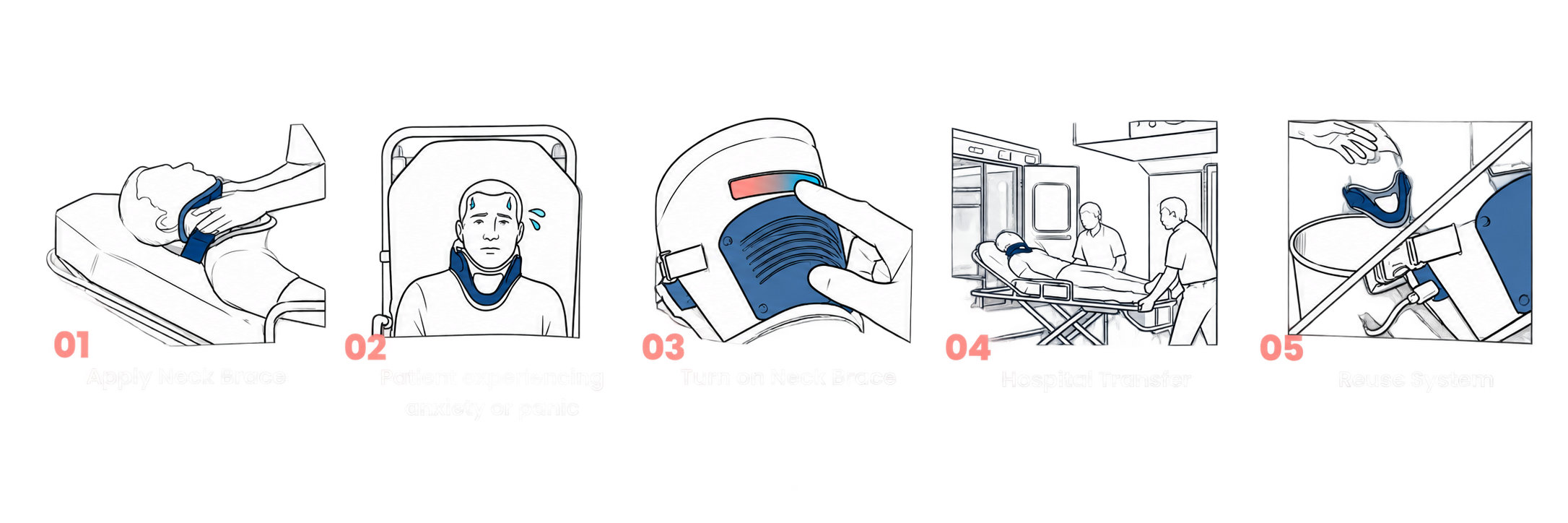
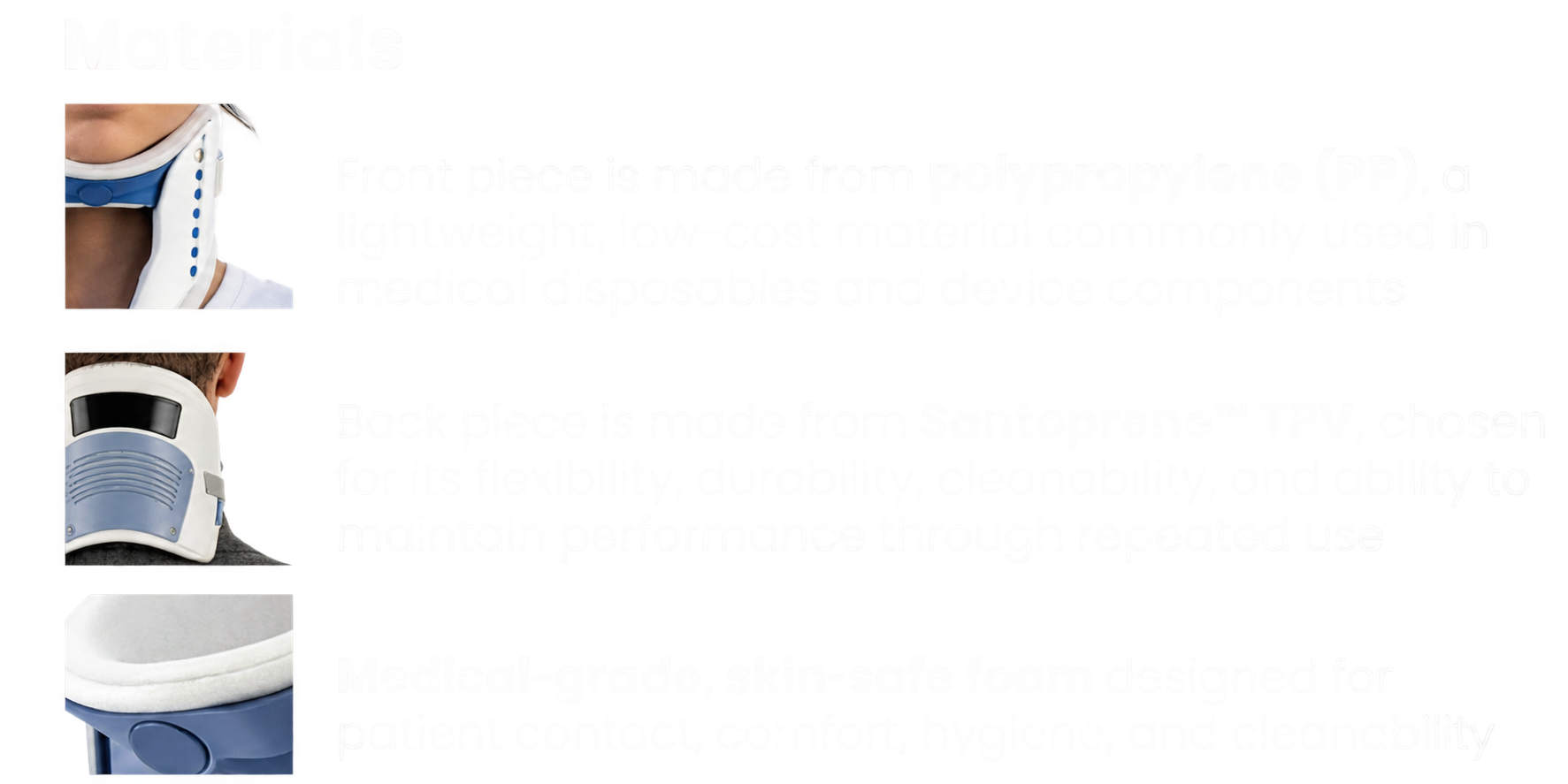
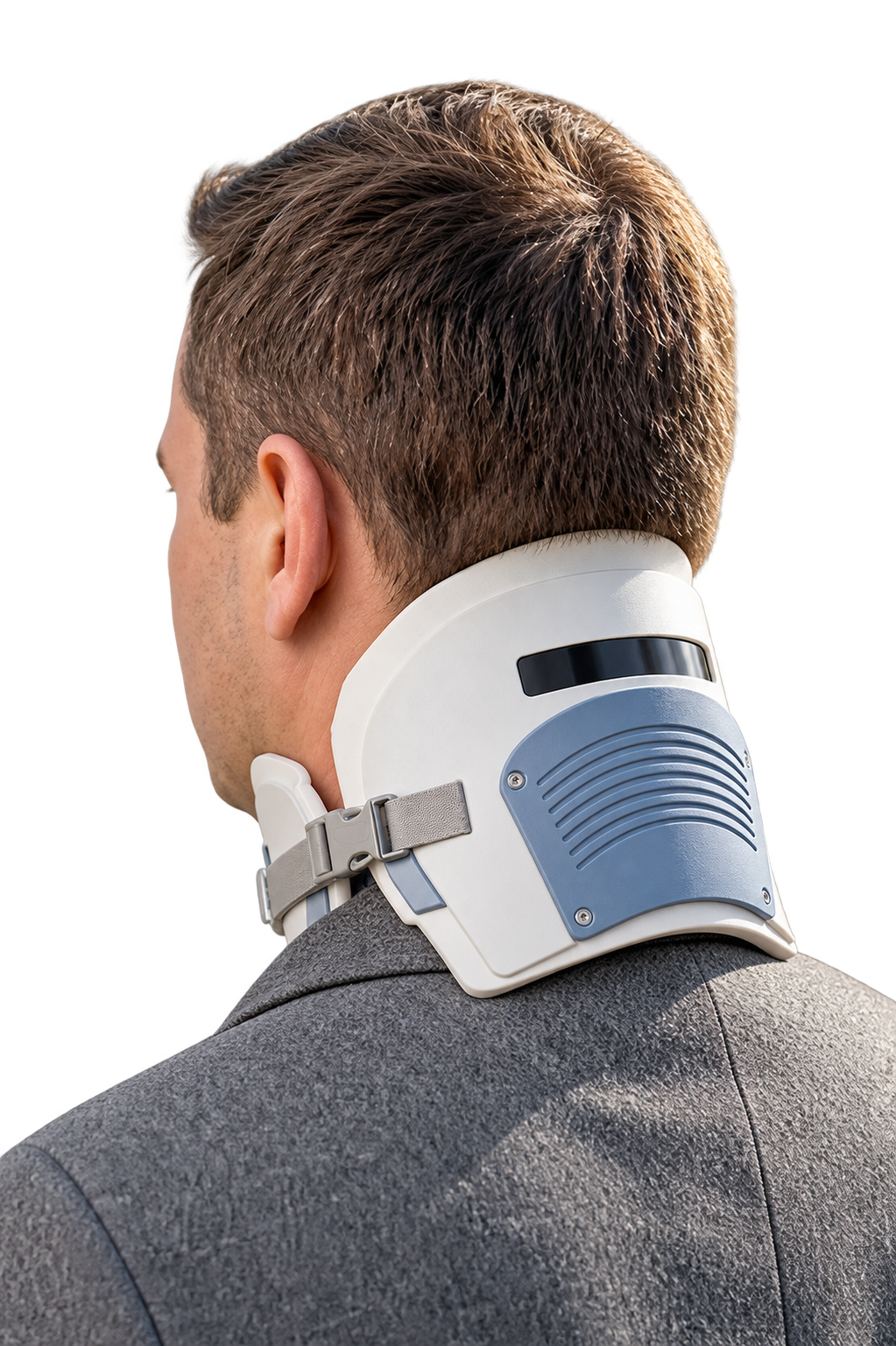
After use, the front piece and padding are discarded, while the reusable back piece is placed into an already existing collection system. The paramedic logistics team collects, cleans, and restocks the reusable components. Each ambulance is stocked with multiple front and back pieces, with one back piece charging and ready for paramedics to use.
Existing cervical collars present several challenges related to fit, patient comfort, waste, and security. These limitations became key areas of focus throughout the development of EmBrace.

Awarded for Medical Design
George A. Lynn Memorial Scholarship
Carleton University · School of Industrial Design · 2026
EmBrace was awarded the George A. Lynn Memorial Scholarship through Carleton University’s School of Industrial Design, recognizing excellence in the design of medical equipment.
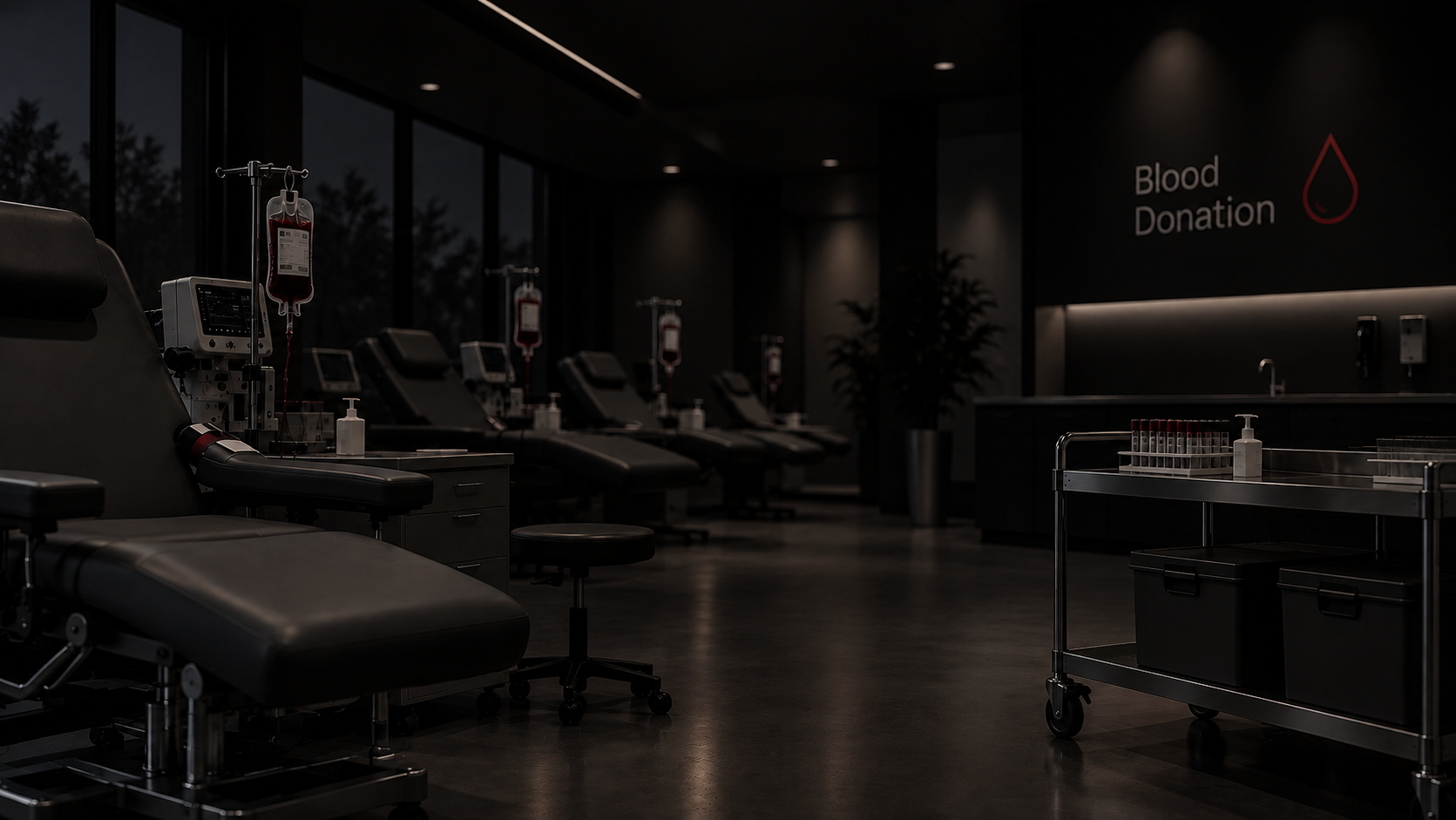
A redesign of Canada’s current blood transportation system through a reusable cold-chain system.
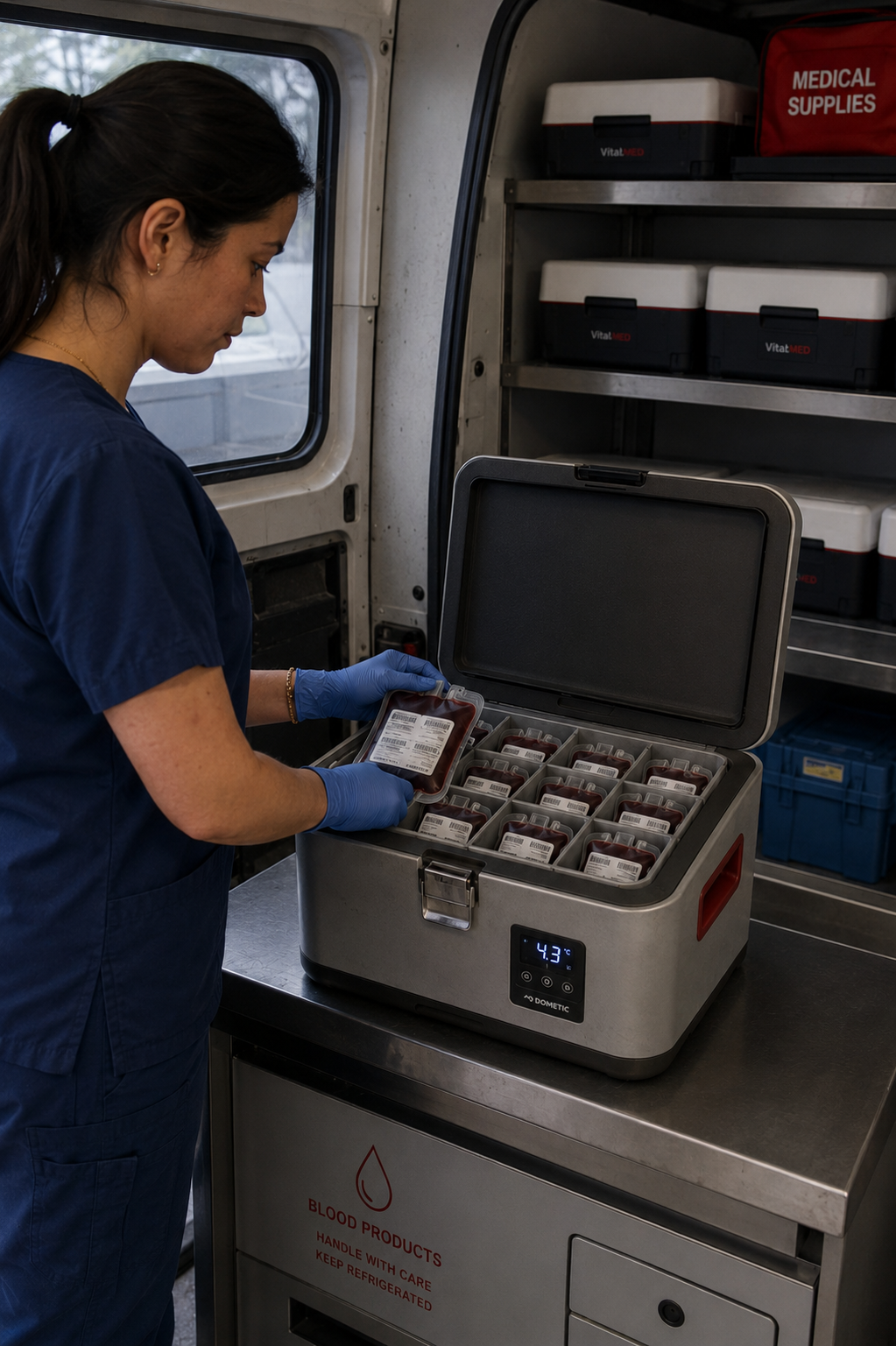
Portable medical fridge designed to create a more sustainable and efficient system for transporting donated blood in Canada. The project explores a reusable blood transportation fridge, system design, improved organization, temperature management, and digital data collection.
Medical Design ✦ 2024
4 Month Project ✦ Individual
VitalMed
Project #2
ROLE: Industrial Designer
CONTRIBUTIONS:
Secondary Research · Primary Research · Ideation · Sketching · Concept Development · Prototyping · User Testing · System Design · Woodworking · SolidWorks CAD · KeyShot Rendering ·
Problem
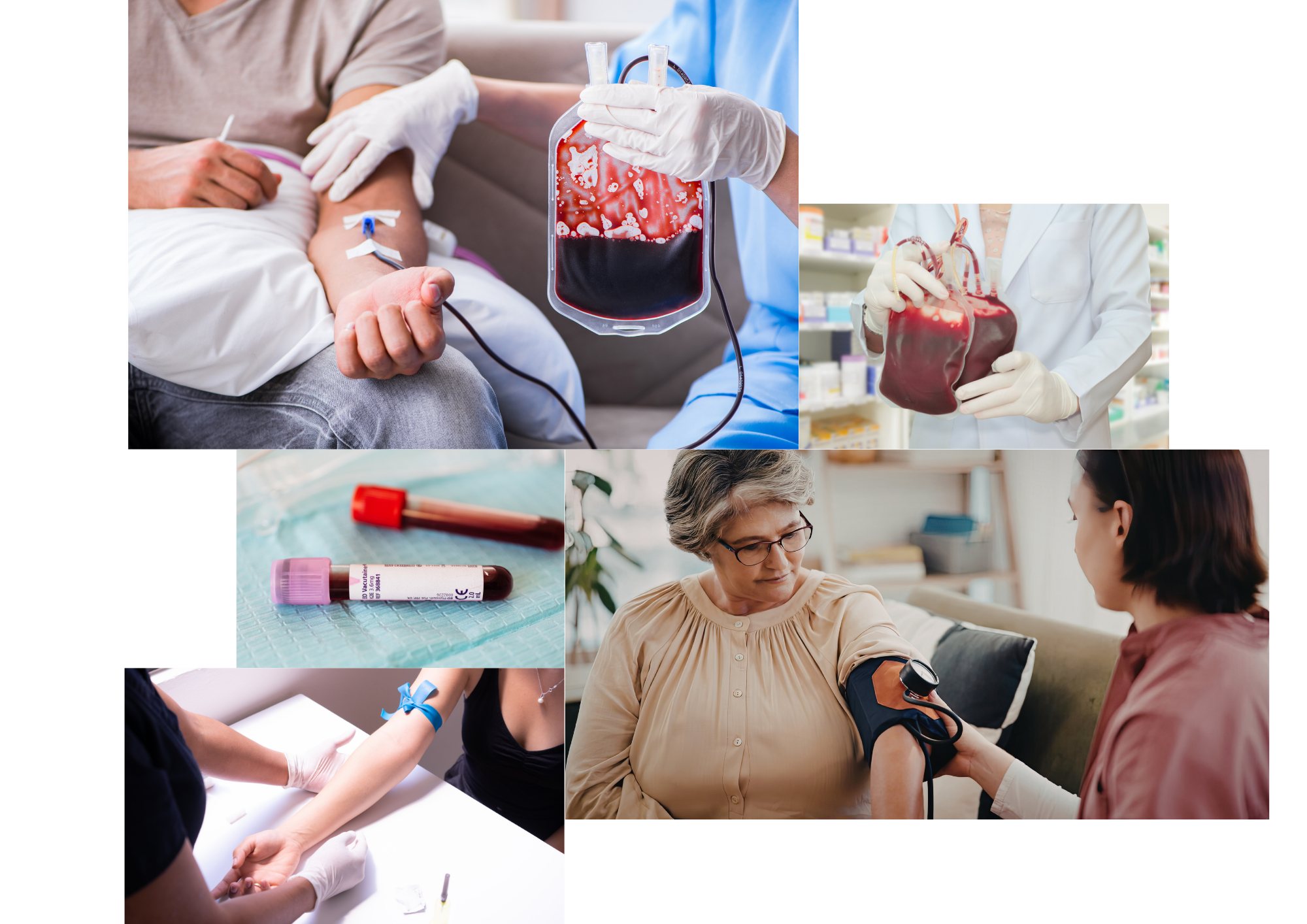
Transporting donated blood in Canada involves multiple packaging steps and can generate significant single-use waste. This project explores opportunities to create a more efficient and sustainable transportation system.
Stock imagery: Canva Pro
Current Process
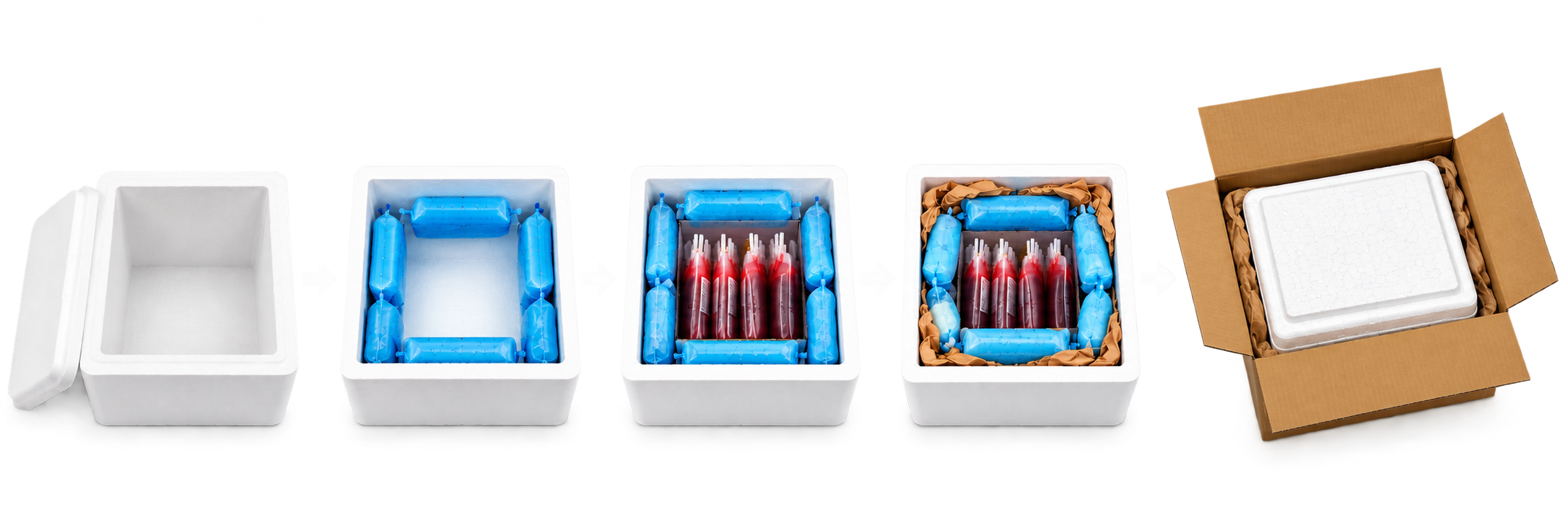
The current method used to transport blood bags is both inefficient and unreliable, creating significant environmental and operational challenges. Every day, blood bags are transported using single-use Styrofoam coolers. Each shipment consists of blood bags placed inside a box, surrounded by ice packs and cardboard insulation, all enclosed within a larger Styrofoam container. The Styrofoam coolers, cardboard, and other packaging materials are typically discarded after each use, contributing to a high volume of landfill waste and making the system environmentally unsustainable.
Main Problems
Excessive single-use waste
Styrofoam coolers, packaging, insulation, and cooling materials create unnecessary waste with each shipment and cannot be used again.Unreliable temperature control
Ice packs are unreliable, making it harder to maintain temperature during long trips, traffic delays, or unexpected disruptions.Time-consuming packing process
Blood must be packed manually with multiple layers of cooling and protective materials for transport.Manual data tracking
Shipment and blood information rely heavily on manual/paper-based documentation rather than being integrated into the transport system.
Introducing VitalMed
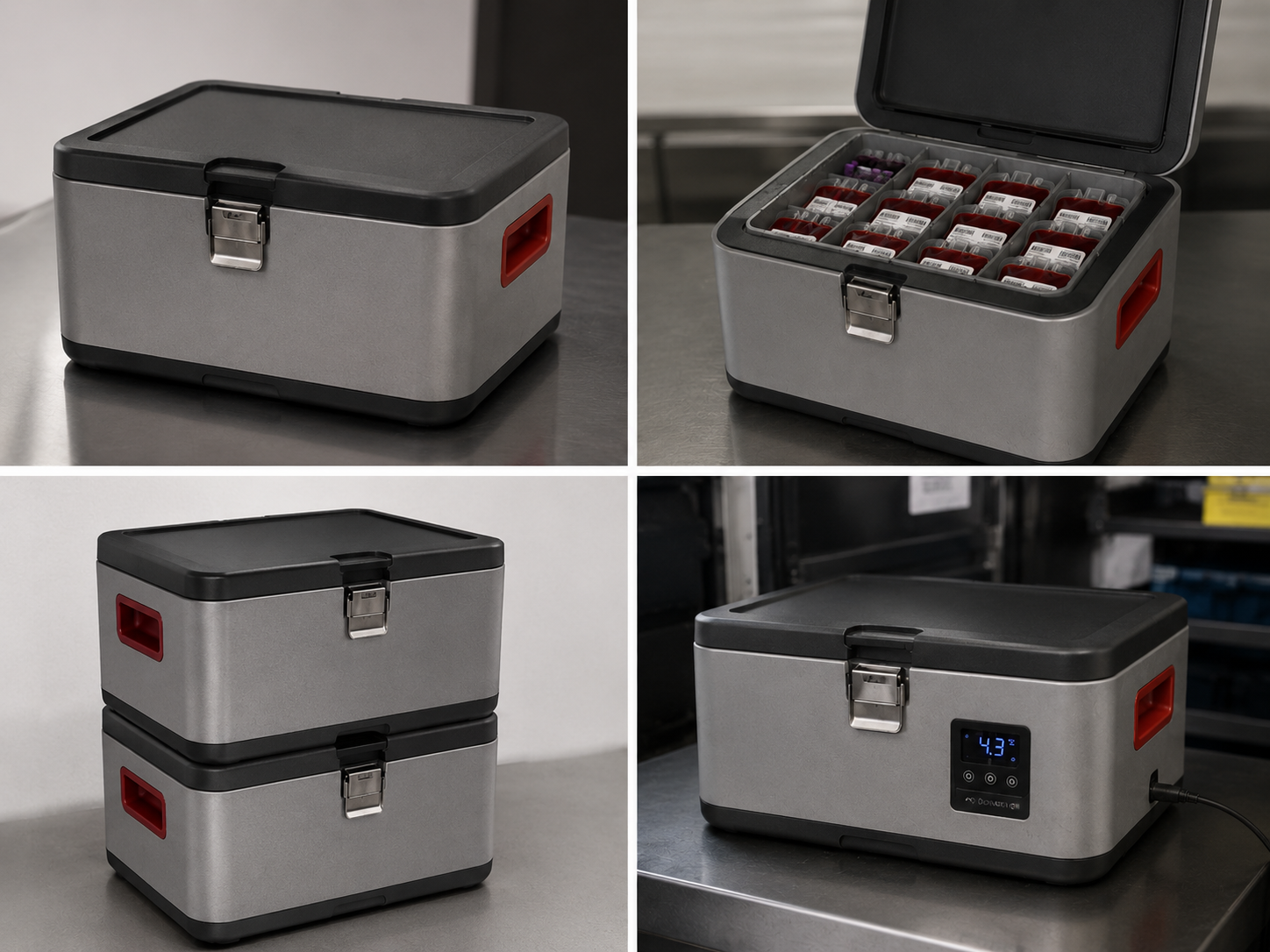
VitalMed is a portable, temperature-controlled medical fridge designed to transport blood bags safely, efficiently, and sustainably.
Designed as a reusable alternative to traditional single-use transport packaging, VitalMed can carry up to 12 blood bags and 30 blood tubes while maintaining a controlled internal temperature.
An accompanying app allows users to monitor temperature and access recorded patient and blood information, creating a more connected transportation system. Built-in handles make the fridge easy to carry, while its form allows multiple units to stack securely for more efficient transportation.